
K.I.D.S or competency-based volunteering conducted in the design thinking methodology

Monika Wietrzynska
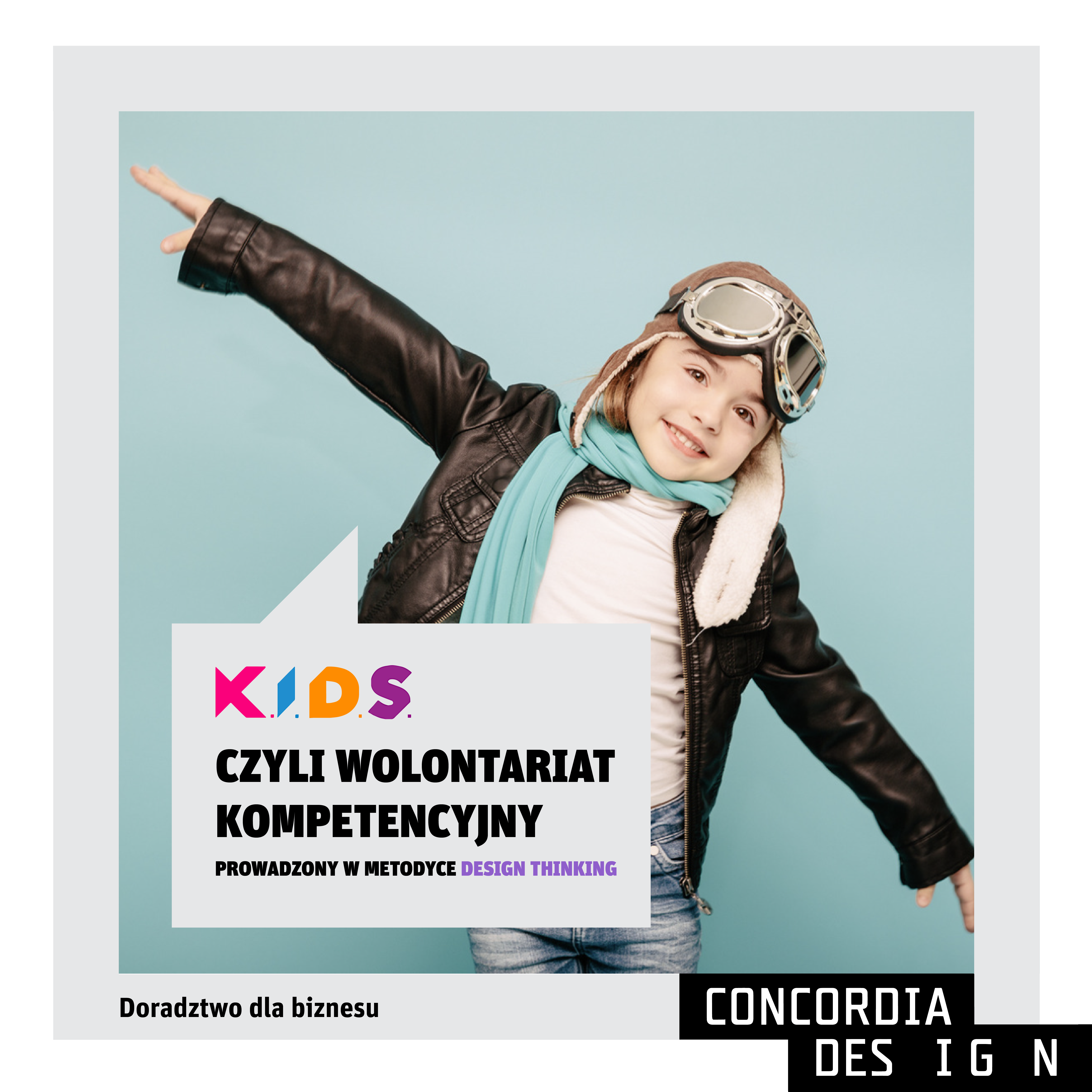
An interview with Paulina Ignatowska-Zarebba, Vice President of Hospital Relations at the K.I.D.S. Foundation.
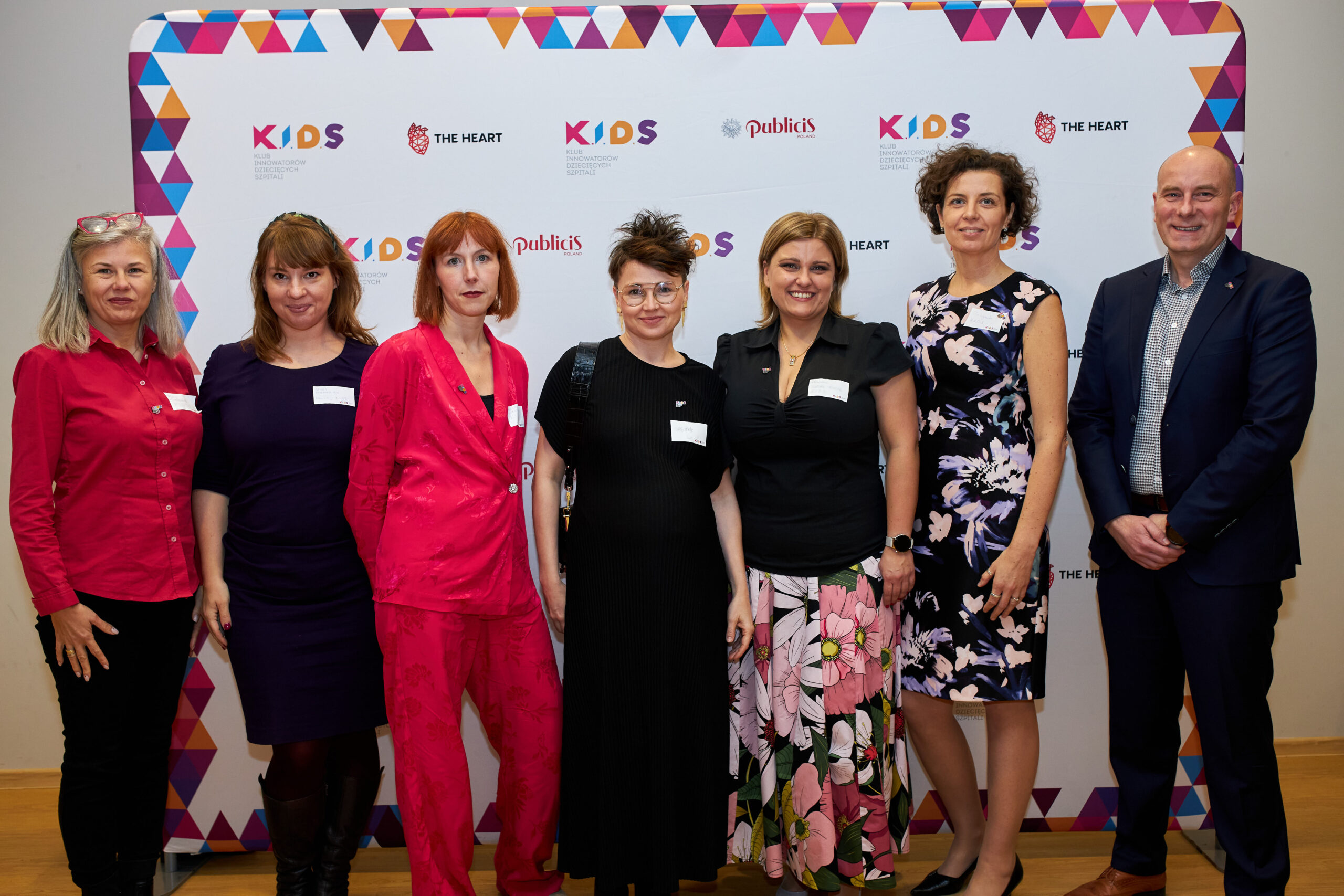
- Paulina - let me start by congratulating you because you are the new vice president K.I.D.S. Foundation. bravo! Could you take a moment to tell us about what the Foundation does and what activities you managed to accomplish in the past year?
- The K.I.D.S. or Children's Hospital Innovators Club Foundation was established by Tom Rudolf. He is a leader and innovator in the business field, having spent many years supporting companies in change and working with startups. The clash of this world with the hospital experience, the sense of absurdity in the clash with the health care system, was the impetus for the foundation. We are primarily concerned with innovation and improving service levels, and I have a lot of experience both as a regular user of well-designed services and as an expert working every day in a business space focused on innovation and innovative approaches in the area of client service, user experience.
With our design approach, we strive to support the process of change. We realize that the public health area has not been given, compared to business, enough knowledge capital to allocate to improving the quality of patient service, because the priority is always other, more urgent needs. It is from the desire to provide the best possible experience for both the child-patient and their parent that the desire to change the system and support those on the health care side who have the desire and enthusiasm, only the capacity and actual support are not always there.
Various people who are in business and have different experiences of hospital stays have jumped on board the foundation. My first project, after joining the Foundation team, was the Children's Hospital of the Future report, in which we tried to diagnose current problems and challenges from different perspectives: from the side of hospitals, from the side of parents and from the side of young patients. We also looked for good practices in the market. The head of this project was Maciej Molenda, who became the second president of the foundation.
My next task at Kids, which I still do today, was to build relationships with children's hospitals. When the Foundation launched, we started by building a partnership with the Children's Health Center, while our main ambition was to work with facilities all over Poland. Over the past two years, we have consistently pursued this plan.
- What does this cooperation consist of? Is it some kind of ongoing contact? Listening to needs? Diagnosing and solving problems?
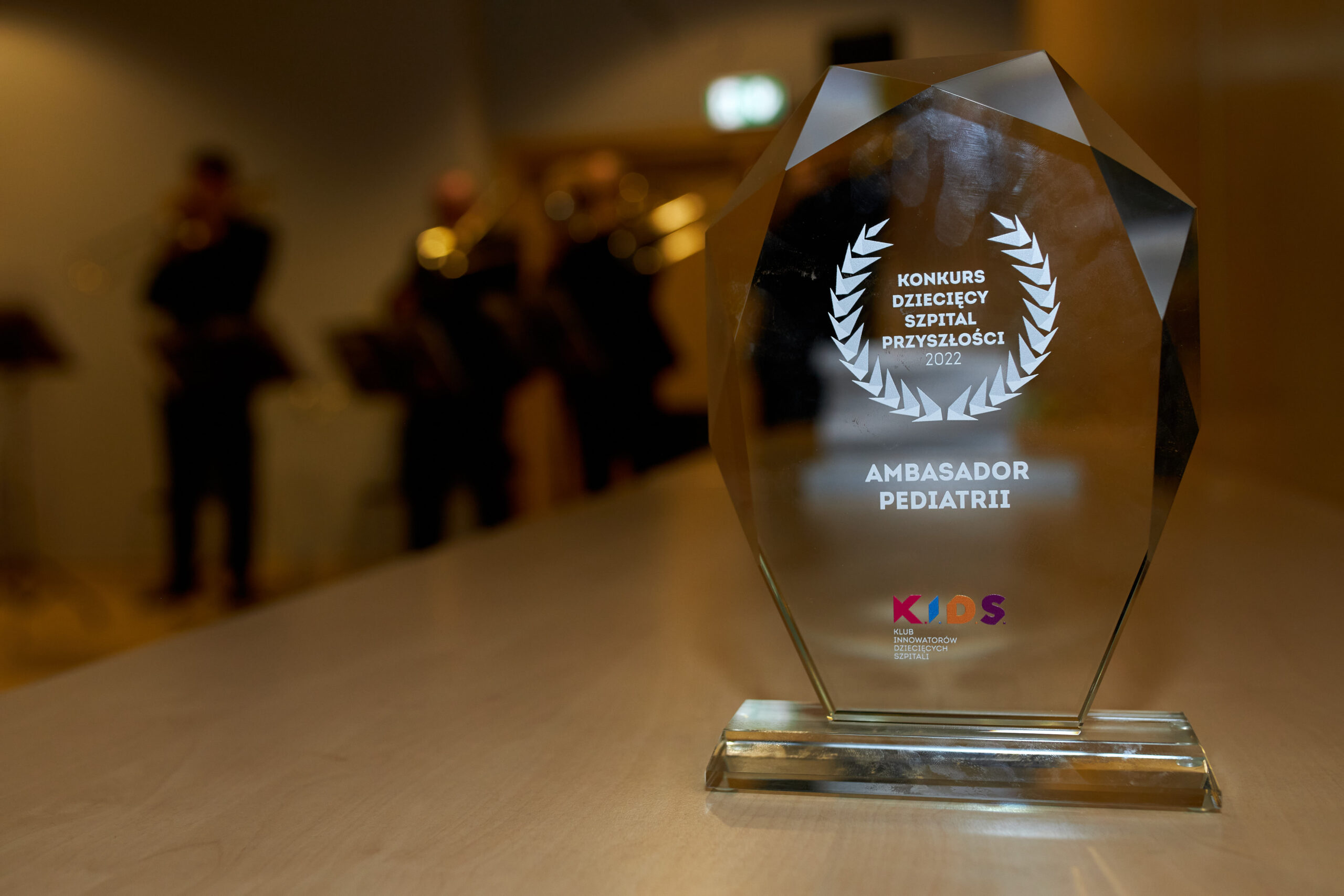
- We operate in a multi-channel and multi-track manner. With hospitals we try to maintain a close relationship - to be open to their needs, but also to offer solutions when we know they are needed. Our ongoing contact with hospitals is to appreciate the actions they have already taken, to share knowledge, good practices. We do this, among other things, through our competition "Children's Hospitals of the Future," in which we encourage and invite hospitals to submit those initiatives they consider innovative in various categories. In the previous edition there were 10 of them, and hospital directors together with patient organizations choose the winning projects, which are presented at our gala. This makes the facilities feel and de facto appreciated, and for other facilities the awarded solutions provide inspiration. This is one such area of activity. The other is project cooperation with specific establishments on a pilot basis. With those establishments with which we have managed to maintain contact, we want to enter a more advanced level of cooperation. We want to see these changes in other hospitals as well.
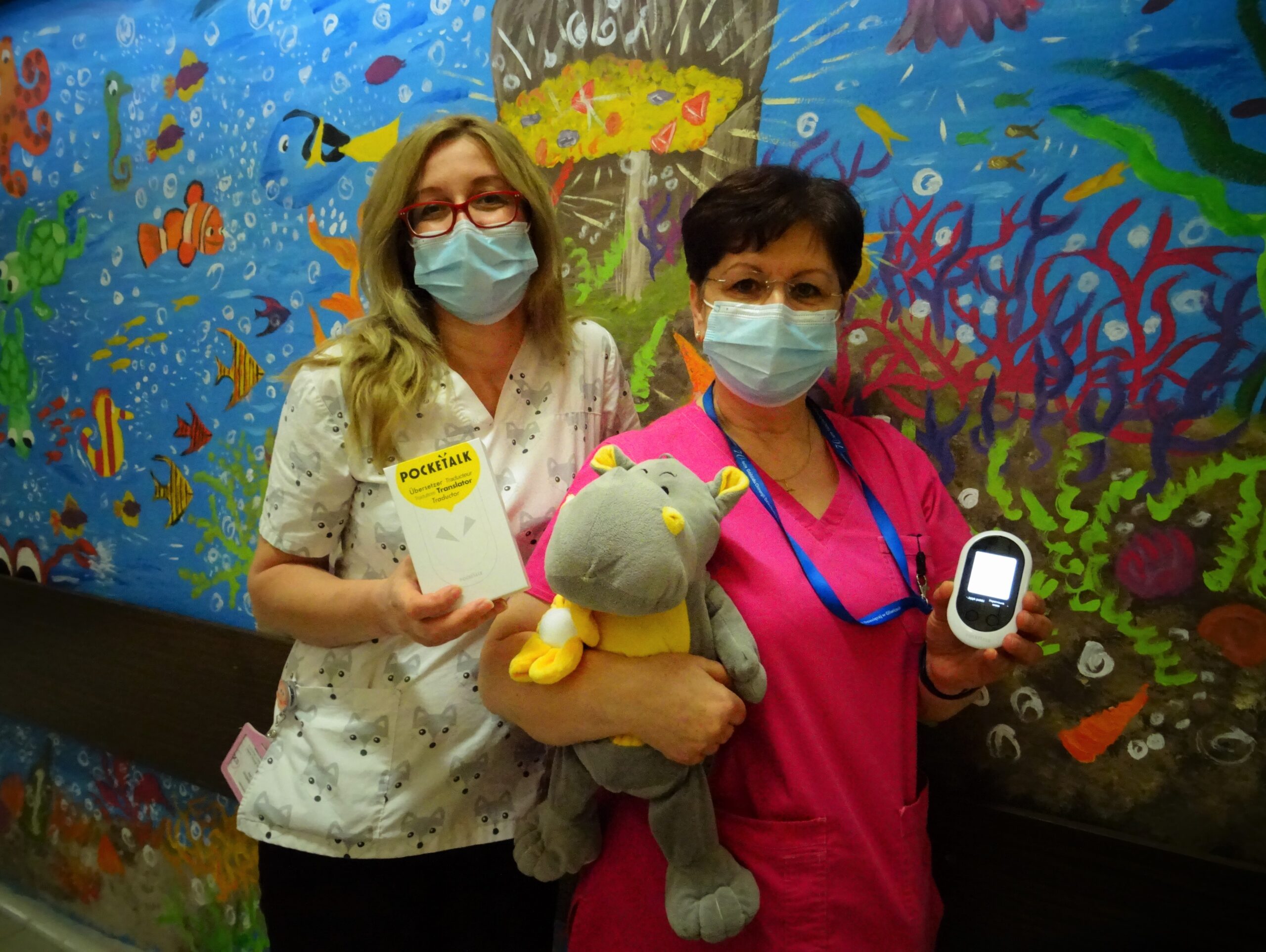
Last year, we also responded with emergency and emergency aid, caused by the war and covid. We did not have this kind of activity planned, but we tried to respond flexibly and dynamically to the needs of hospitals, so we provided disinfectants and masks during the pandemic. Then came patients from Ukraine and the idea of translators, helping to quickly translate and contact patients from abroad. We also offered layettes (containing basic toiletries and personal hygiene items), because especially in the spring and summer, refugees came to us without anything.
- What does your activity look like in numbers over the past year?
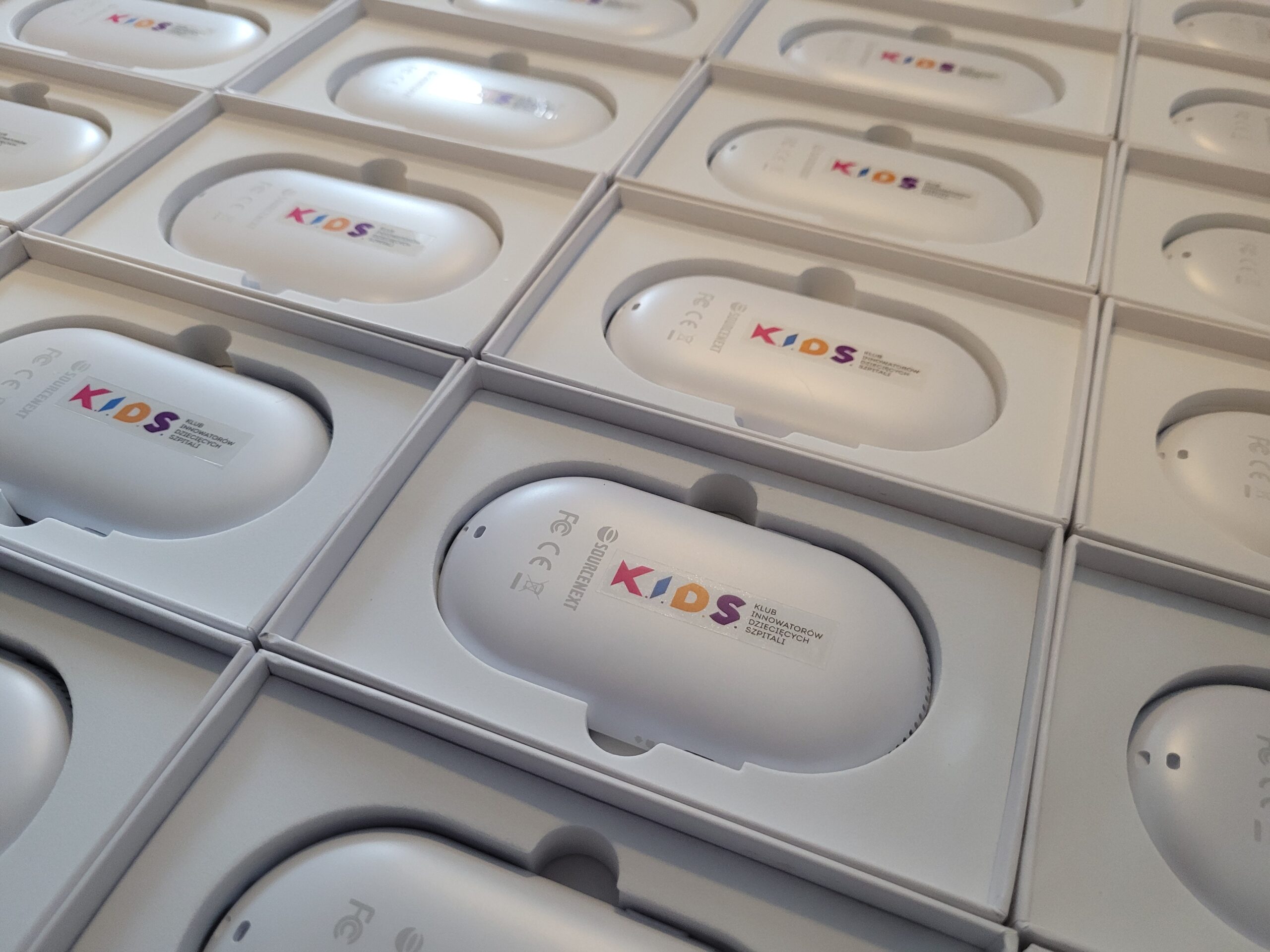
- We have supplied 95 translators to 26 hospitals that have expressed a desire to receive support. These translators in the current situation are mainly associated with Ukrainian, but they actually have the ability to translate into 82 languages. We also implemented the Patient-Friendly Communication project, which consists of training in empathetic communication between doctors and patients. On the basis of this experience, a manual on conversations between pediatricians and parents and children was published. It was 60 hours of workshops, 30 monitoring sessions. That is, a total of 90 hours of knowledge transferred to doctors, more than 400 hours of team project, 60 trained doctors and the aforementioned guidebook, which will be printed this year as a summary of the project. We donated 550 layettes to 7 hospitals, which were packed by our brave volunteers.
All the people involved in the projects are volunteering with us. This way you can see the scale of involvement. Our competence volunteering involves effective management and implementation of projects and is close to daily work therefore I admire all the more those people who are willing and have the strength to do it with us after hours.
- You operate on the principle of competence volunteering, which involves people from the foundation sharing their particular competencies, based on their experience or education. Can you say a little more about your project competencies in this context? How are they useful to you in volunteering for the foundation?
- We work in interdisciplinary teams in a model strongly based on design activities and Design Thinking methodology. We try to look for people with different competencies: researchers, UX, PMs, who guide programs through different design stages and get involved sometimes through the whole process, and sometimes leave their stage to the next team. The whole Foundation tries to work on the basis of these methodologies - we do retrospectives, we try to use workshop and project approaches. We apply them inside and outside the organization. I also find the psychological thread very useful in dealing with hospitals. My department is very much oriented towards contact with hospitals, we are such a natural listening ear for the needs of hospitals, and we have volunteers who work on the hospital side, but they are K.I.D.S. volunteers. They are often the first filter of certain ideas for us, and a source of information and verification of certain concepts in order to know whether it is an individual or systemic problem. Here for sure, this empathy is an important element that I use every day at the Foundation. The Foundation has a completely different existence than a classic organization with business goals, so we look for ways to motivate people, because the only reward, a kind of remuneration, is the satisfaction of the completed activity and what you learned along the way. This satisfaction is a real challenge for us because we work in the area of difficult topics and projects, and we are constantly experimenting with how to support our volunteers so that they feel satisfaction from the projects they carry out and don't burn out.
- What will this year be like for the Foundation?
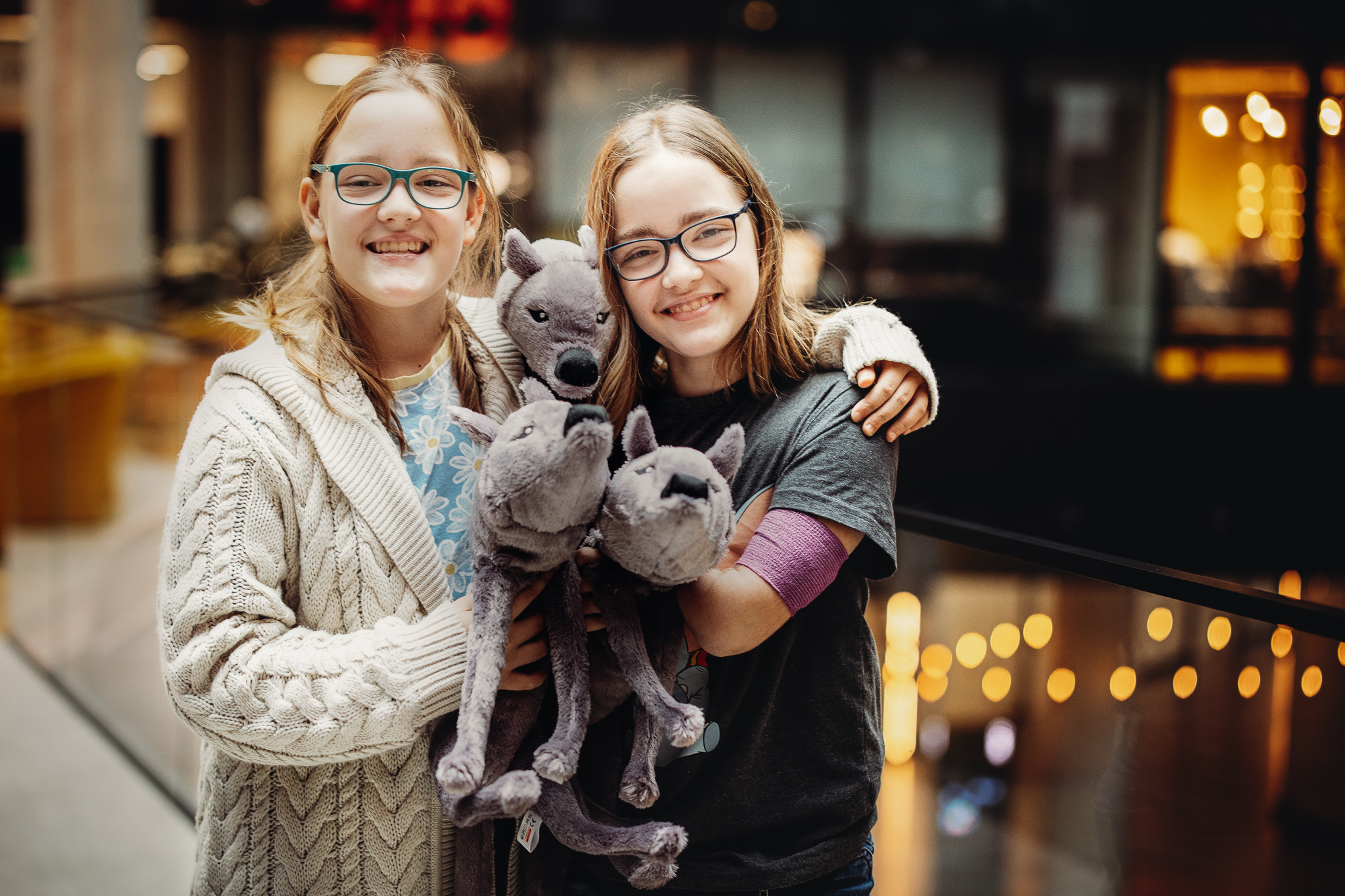
- We plan to continue our work. We have learned a lot of lessons from previous years. We will continue to experiment for sure. The year 2023 is a time for us to learn from previous years - what worked out for us, what didn't work out as we planned, what to improve, change. We will certainly continue the Hug a Wolf project, i.e. selling our bricks - wolf mascots to anyone who wants to support the Foundation. So far, we have mainly targeted communications to hospitals and businesses, with whom we have had a good relationship in terms of support. This year we would like to gain more visibility and engage more with the communities around the hospitals, i.e. parents and young patients. Our goal for this year is also to listen better to the needs, including the needs of hospitals, and better understand what support they need and how to support them to change and innovate. I feel that with 3 years of experience, we can support hospitals more and more effectively in changing for good.
-This concludes the question if you have any book recommendations for us?
- I recommend Health Design Thinking. People often think that Design Thinking methodology is useful for some smaller fields, like creative industry, marketing, but heavy evidence-based industry can also rely on it. And we are an example of that. I also recommend Barbara Lipska's book Neurology. The beautiful mind that got lost. An extremely insightful description of the process of getting sick and experiencing dementia. It's a book that I think helps develop empathy. I also picked up Positive Discipline after one of our Foundation projects, and I recommend this book to all parents as a support in the daily hardships of parenting. I also think there is a lot to be gleaned from parenting books for business, especially in the context of good communication and Leadership.

Paulina Ignatowska - service designer and facilitator of future scenario design.
At Concordia Design, she supports future design with analysis of trends and signals of change. She teaches an agile design approach. She works on the basis of Human Centered Design (Service Design, Design Thinking and Creativity+Thinking). While working at Huge Thing Accelerator, she supported Polish and foreign technology startups to enter the Polish market. She believes that design can change our lives for the better, so she shares her knowledge by serving as Director of Hospital Relations at the K.I.D.S. Foundation - Innovators of Children's Hospitals.
EVIDENCE
The K.I.D.S. Foundation, as part of the i4KIDS-EUROPE international European initiative, is co-organizing the international Pediatric Innovation Day conference to promote innovation in pediatrics.
The event, to be held on October 27, 2023, will bring together pediatric hospitals, physicians, experts and company representatives from across Europe. The conference focuses on discussing the latest developments and research in pediatric innovation and promotes collaboration between the medical, technology and scientific sectors. The i4KIDS-EUROPE project, of which the conference is a part, seeks to integrate the European pediatric sector and develop innovative solutions to improve healthcare for children. The conference will also include the finale of the EIT HEALTH "Wild Card" project, where startups will present their innovative solutions in the field of pediatrics.
The event will conclude with the K.I.D.S. Foundation Competition Gala, during which the most innovative children's Polish hospitals and projects will be awarded. The i4KIDS-EUROPE project focuses on the integration of pediatric stakeholders and the introduction of innovative solutions to improve the efficiency of treatment, the patient experience and the reduction of stress associated with a hospital stay.
For more information, visit here.