

A leader who engages - how to build engaged teams?

Jakub Domagalski
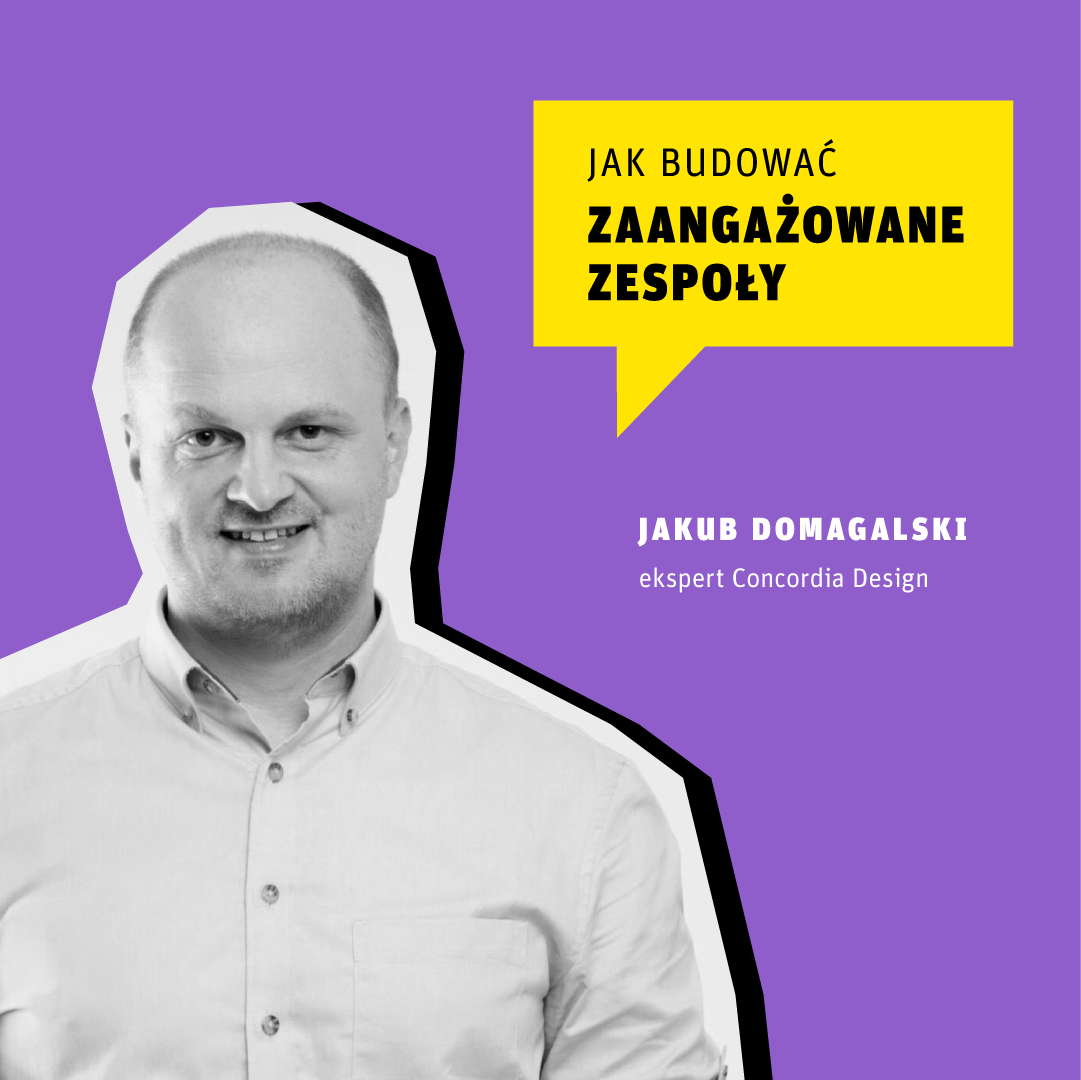
During one of the workshops for team leaders, we conducted an exercise. Each team had to answer the question: what actions can a leader take to build team commitment? The participants, based on their experience as leaders and employees, worked intensely on the conclusions. During the presentation, it turned out that many ideas were shared, while others were individual, but gained approval from the other participants.
Below are key ways to build team engagement and a literature recommendation to dig deeper into the topic.
If you want to ignite others, you must first burn yourself
This is obvious, yet we often forget it. The leader is the first person in the team who should exude commitment. His attitude, the consistency of his words and actions, provides the impetus for others to act. If a leader delivers on his promises and takes concrete action, he inspires followership. He can become an example that others will want to follow. In addition, a leader should take care of his own motivation and development. This means constant deepening of knowledge, openness to change, and a positive attitude that is given to others.
Recommended reading: Leaders eat at the end - Simon Sinek
When you don't know which port you're sailing to, no wind is good
Every team member should know their goals and responsibilities. Ideally, he or she should have a say in defining them and be able to discuss strategies for achieving them. Goals should be understandable, inspiring and tailored to the competencies and interests of employees. The role of the leader is not only to support setting them, but also to regularly reference their achievement, motivate and inspire them to take bold steps. Good practices also include defining measurable indicators of success and regularly reviewing trickles. This helps the team maintain direction and focus on priorities.
Recommended reading: Start with why - Simon Sinek
Open communication in the team
Team commitment is built by open communication - both between leaders and employees and within the team. It is important not only to declare openness to conversations, but also to actively initiate and support them. A leader should organize team and individual meetings creating space for exchanging ideas, asking questions and discussing. Communication is also the ability to give and receive feedback. Feedback should be regular, honest and fact-based. By introducing a culture of open communication,
the team stops treating feedback as criticism and starts seeing it as a development tool. A well-functioning flow of information makes everyone feel more appreciated and motivated to perform. Also key is the ability of all team members to give feedback effectively. The leader himself should take the initiative to collect feedback on his work from other employees.
Recommended reading: The demanding and understanding boss - Kim Scott
Appreciation - a key element of motivation
Not only great successes deserve recognition. Regular appreciation of even small advances strengthens employees' commitment and confidence, and helps reduce stress. A leader should recognize moments, situations that are worth recognizing. It is also a good idea to tailor the method of appreciation to the individual needs of each team member. Some people prefer public recognition, while others appreciate private thanks. It is also important for the leader not to stop at general praise, but to point out specific achievements and their value to the team and the organization. Sometimes such a single sentence of appreciation and noticing an employee is a driving force for his future performance and growth. Recommended reading: 5 languages of appreciation in the workplace - Gary Chapman
Safety and trust - the foundation of engagement
Regardless of what tools and methods you use to build employee engagement, it is crucial that the people you work with have the confidence to express their opinions freely and without fear. If you, as a leader, create a space where each team member knows that they can openly talk about their ideas, ask questions, and admit mistakes, then they will be more willing to share their thoughts. If openness to dialogue remains just an empty slogan, and constructive feedback
is associated with negative consequences it will make the process of building commitment much more difficult. When employees perceive that "openness" is just an empty declaration their commitment will be minimal and they will even stop taking the initiative fearing unpleasant consequences. When introducing rules to apply to everyone, we need to be aware that people engage only when they feel secure, and we can build their trust on that. Any action that undermines this feeling can inhibit the whole process of building commitment.
Recommended reading: A company without fear - Amy C. Edmondson
Building team engagement, is a process that requires consistency and authenticity. A leader who actively supports his team creates an environment that fosters growth and engagement. The above suggestions are only a starting point and can be expanded to include additional elements
to build an engaged team.
It is also worth paying attention to the leaders themselves. The latest research by Concordia Design shows that the attitude of the leader directly affects the development of the entire team. And the condition of Polish leadership is not very optimistic >> Download the report to learn more. That is why it is so important for leaders to take care of themselves, their well-being and professional development.