

How do development programs drive your team?

Weronika Balcerzak
In today's dynamic business world, ongoing employee development is no longer a luxury, but a necessity. Companies that invest in the skills and competencies of their team not only build loyalty, but above all gain a competitive advantage. Why are development programs so important and how to implement them effectively? Let's find out!
Why invest in employee development?
Development programs are a win-win strategy. Employees, given the opportunity to learn and improve, feel valued, more engaged and more confident in their roles. For the company, this means increased efficiency, innovation and better handling of market challenges. Think of it as fuel for your organization - the better the fuel, the farther and faster you will go!
Key benefits include:
- Increased commitment and motivation: employees see that the company is investing in them, which directly translates into their satisfaction and willingness to work.
- Increased productivity: Better skills mean completing tasks faster and more efficiently.
- Talent Retention: Development programs are a powerful tool in the battle for the best. Employees are less likely to look for a new job when they see viable development paths.
- Innovation development: New skills and perspectives often lead to creative solutions and ideas.
- Better adaptation to changing market needs: Through continuous development, the team is able to adapt quickly to new technologies and trends.
Activities under development programs
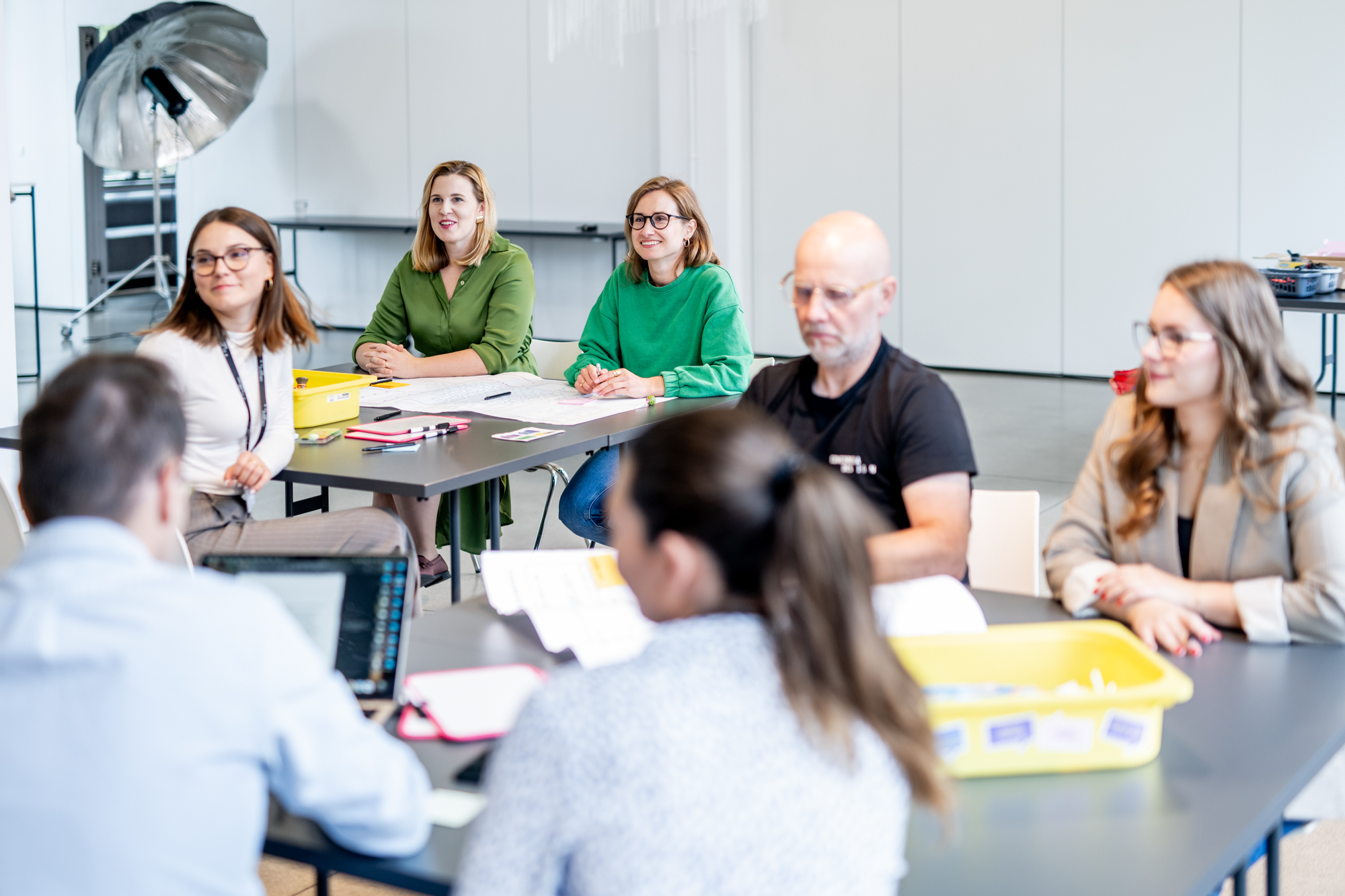
Development programs are diverse and should be tailored to the specifics of the company and the individual needs of employees. At Concordia Consulting, most often when organizing development programs we take on the challenges that the organization is currently working on. In this way, participants not only get a chance to work on authentic problems, but also a real perspective of implementing their ideas, which is a strong motivator. Each program is individually planned and tailored to the specifics of the company, its technical requirements and the ability to implement activities in terms of intensity in the industry. We not only dedicate relevant experts to each program, but also appoint one substantive program coordinator.
What activities can be included in the program's development path?
1. workshops
This is the most classic form, but still the most effective if conducted according to the established objectives and workshop plan. They can cover both hard skills (e.g. Design Principles or Business Model Canvas) and soft skills (e.g. communication, stress management, negotiation).
- Example 1: A company in the financial industry organizes a series of workshops on giving feedback to participants in a development program so that they can work more efficiently in diverse teams and ensure clarity of communication when, for example, they are engaged in testing developed solutions and are asked to give feedback on a prototype solution.
- Example 2: Working with a company in the financial sector, Concordia Consulting was responsible for preparing an analysis of current industry trends, user behavior and technology developments. The acquired data formed the basis of the workshop, ensuring that the solutions developed by the participants were highly up-to-date and effectively addressed market needs.
Workshops can be held both online and stationary, through a number of available tools and developed methods of conducting them it is possible to be flexible in the way they are organized, guaranteeing efficiency and substance for their participants.
2. mentoring and coaching
It's a more personalized approach. Mentoring involves an experienced employee (mentor) sharing his or her knowledge and experience with a less experienced one (mentee), showing him or her paths for development. Coaching, on the other hand, focuses on discovering an employee's potential and helping him or her find solutions on their own.
- Example: As part of the development program, each participant had dedicated coaching sessions scheduled after the program ended. Through them, he was able to plan his further development path, discuss what he had learned about himself during the program, and strengthen his vision for his development within the organization or in terms of his discovered potential.
3. out-of-the-box workshops
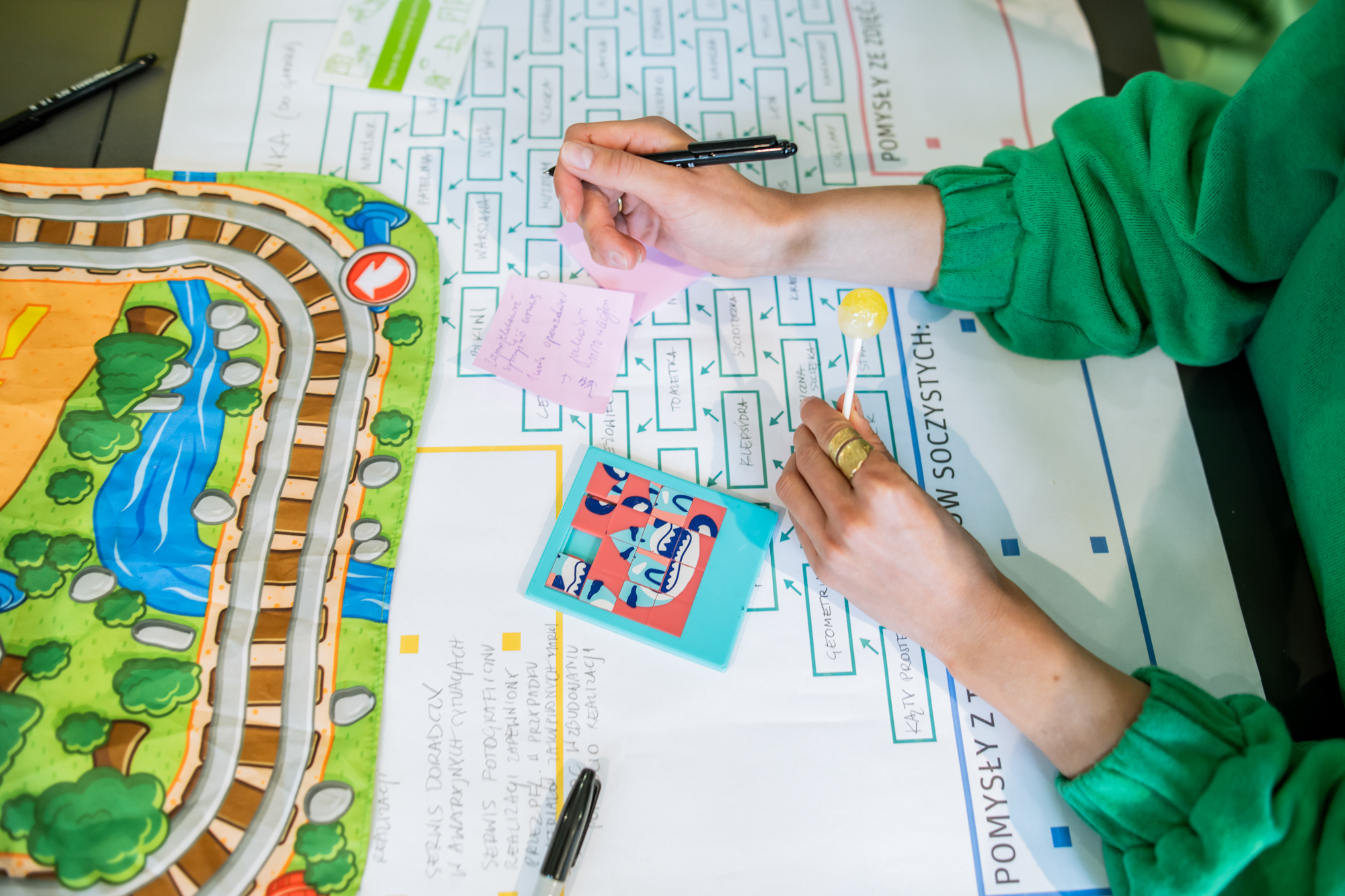
From time to time, it is worth doing something out-of-the-box and creative, which will bring a breath of fresh air into the cyclicality and rhythm of training programs. Then edutainment solutions such as creative games, team orchestra or improvisational performances will fit in perfectly. All designed for the needs of the group and the organization, to smuggle in new knowledge and skills in an interesting way, while having a great time and integrating.
- Example: The company, as part of a summary of its development program, invited participants to create an improvisation performance together with a professional team of actors. With their help, the participants summarized their time in the program, using associations and anecdotes that emerged during their work together.

What should an effective development program look like?
The success of a development program depends on several factors:
- Needs analysis: Before you decide on implementation, Concordia Consulting performs an analysis to find out what your employees really need and what the market demands.
- Objectives: Together, we set clear and measurable goals for the program.
- Tailoring: We design a program that is flexible and tailored to individual career paths.
- Communication: We foster internal communication to adequately convey the benefits of participating in the program not only to the participants themselves, but also to all stakeholders who may be affected by the participants' actions - for example, their immediate supervisors.
- Evaluation and feedback: We regularly perform an evaluation of the program's effectiveness and collect feedback from participants so that we can respond in a timely manner.
An investment in employee development is an investment in the future of your company. Remember that a happy, qualified and committed team is your greatest asset. Start planning a growth strategy for your company today and see your team flourish!